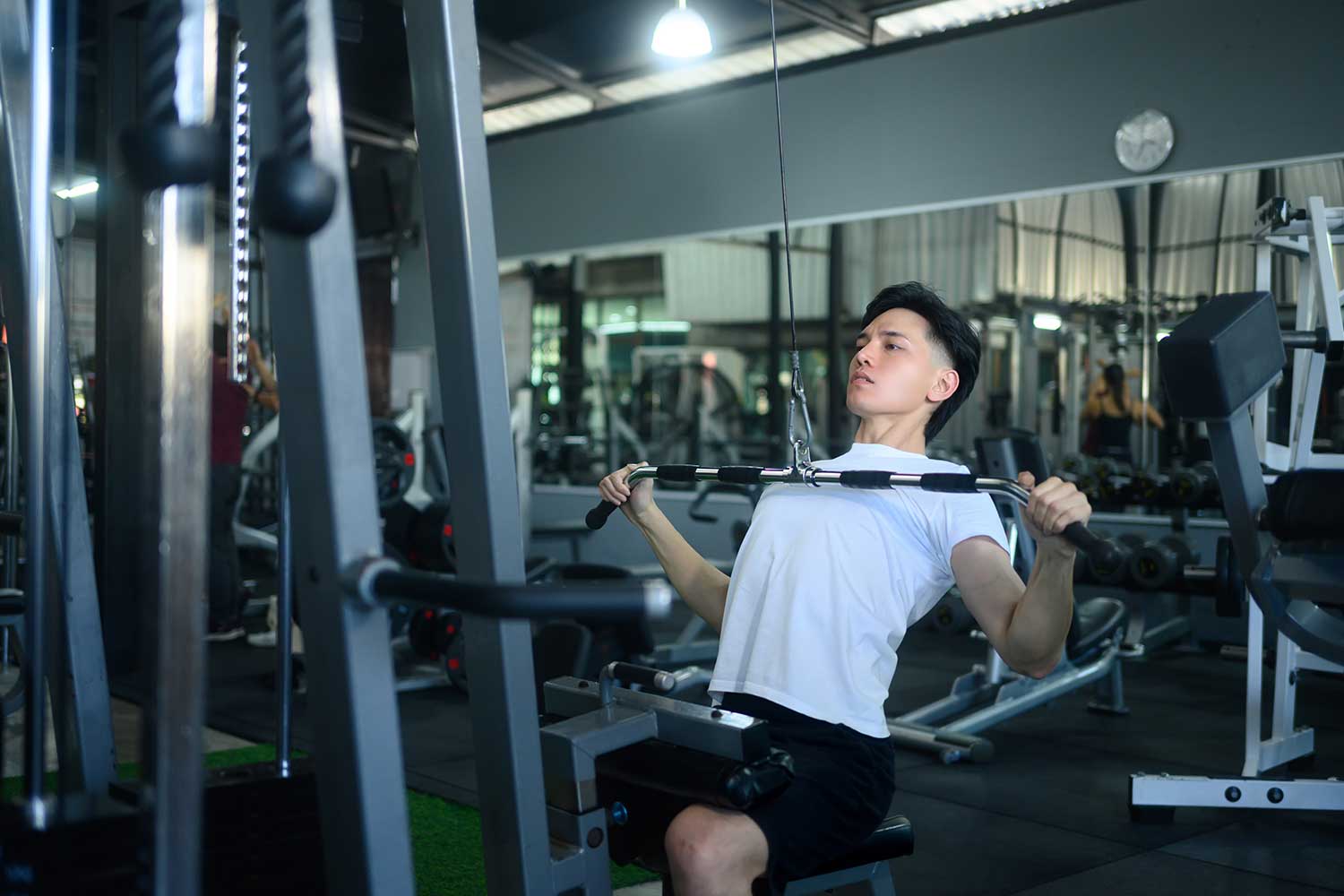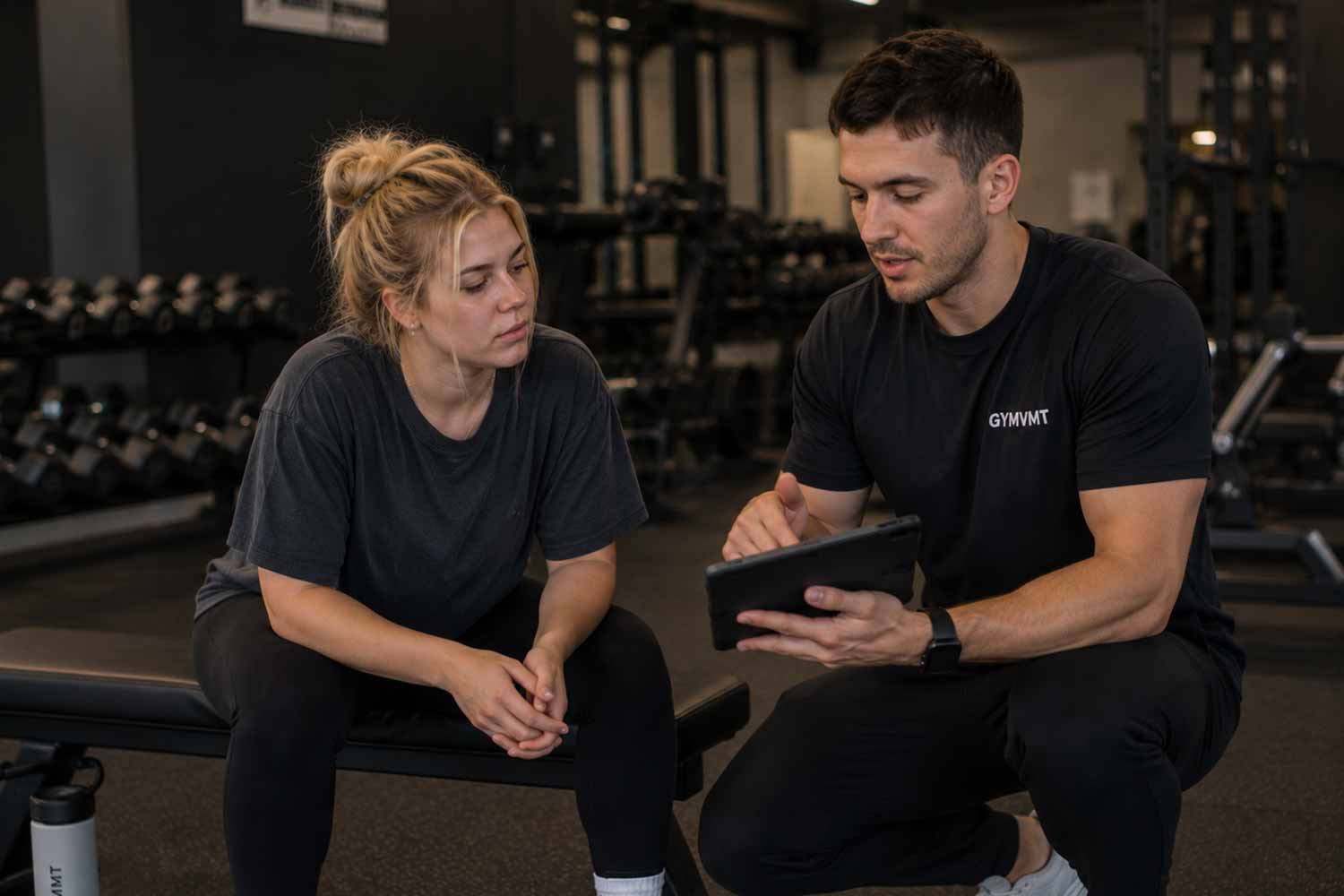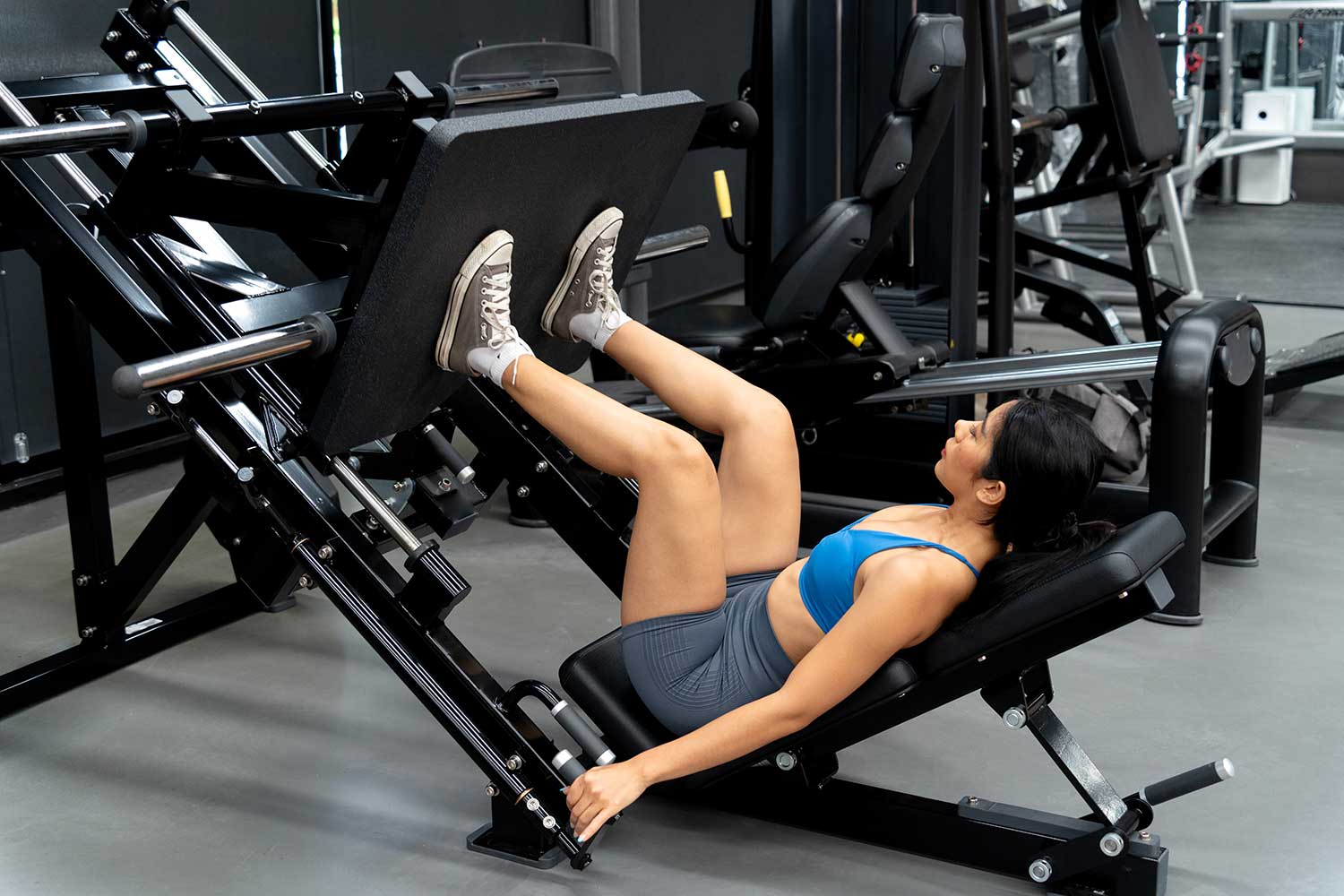

Starting at the gym can feel like everyone else already knows what they’re doing. Which machine to use. How much weight to lift. What workout they’re following. Meanwhile, you might just be trying to figure out where to start.
Here’s the good news: you don’t need to have it all figured out.
Your first few months in the gym aren’t about lifting the heaviest weight or following the most advanced program. They’re about learning the basics, finding movements that feel manageable, and building a routine you can actually come back to.
A simple, structured approach will take you further than trying to do everything at once. Start with the fundamentals, give yourself permission to learn, and let confidence build from there.
Understanding the Main Types of Workouts
There are several common workout styles, and each offers different benefits. Choosing the right approach depends on your goals, fitness level, and personal preferences.
Strength Training
Strength training involves resistance exercises designed to improve muscular strength and endurance. You can use machines, free weights, resistance bands, or your own body weight.
For beginners, strength training is especially valuable because it helps build muscle, support joints, improve posture, and make everyday activities easier. You do not need to train like a competitive powerlifter. A beginner-friendly strength workout might include exercises for the legs, chest, back, shoulders, and core.
A good starting point is two or three full-body strength sessions per week. Training your whole body allows you to practice the major movement patterns regularly without overwhelming yourself with too much volume.
Cardiovascular Training
Cardio is any activity that raises your heart rate for a sustained period. Walking on a treadmill, cycling, using an elliptical, rowing, swimming, and taking group fitness classes are all forms of cardiovascular exercise.
Cardio can improve heart health, stamina, mood, and energy levels. It can also help new gym-goers become comfortable moving and spending time in the gym.
Beginners should not assume every cardio session needs to be exhausting. Start with 15 to 30 minutes at a pace that feels challenging but sustainable. This can be added after a strength training session or on a separate day, depending on how much time you are willing to commit.
Mobility and Flexibility Training
Mobility work focuses on moving your joints through comfortable ranges of motion, while flexibility training generally focuses on lengthening muscles. Both can complement strength and cardio workouts.
A few minutes of dynamic movement before exercise, such as arm circles, bodyweight squats, or gentle lunges, can help prepare your body. Stretching after training may help you relax and maintain comfortable movement, although it should not be painful.
Circuit Training
Circuit training combines several exercises performed one after another with short rest periods. For example, a circuit might include a leg press, chest press, seated row, treadmill walk, and abdominal exercise.
This style can be efficient and engaging, particularly for people who do not enjoy long rest periods. However, beginners should prioritize learning exercise technique before moving quickly between machines.
Building Confidence and Consistency
Confidence rarely arrives before you begin. It develops through repeated experiences of showing up, completing a manageable workout, and noticing gradual improvement.
Set small goals that are within your control. You might aim to attend the gym twice each week, learn one new machine, or record your weights and repetitions. Avoid measuring success only by appearance or the amount of weight lifted.
Keeping a simple workout log can be very motivating. When an exercise becomes easier, you can slightly increase the weight, add a repetition, or improve your control. Progress does not need to be dramatic to be meaningful.
It is also important to expect imperfect weeks. Missing a workout does not mean you have failed. Simply return to your routine at the next opportunity. Consistency is not about never breaking the plan; it is about continuing to come back.
Finally, remember that everyone in the gym was once a beginner. Focus on your own workout, ask staff for help when necessary, and give yourself permission to learn slowly.
You don’t have to become a “gym person” overnight. Start by showing up, learning what works for you, and building from there. The most effective workout is ultimately one you can perform safely, enjoy reasonably, and repeat consistently.